 Infinite Insight Hub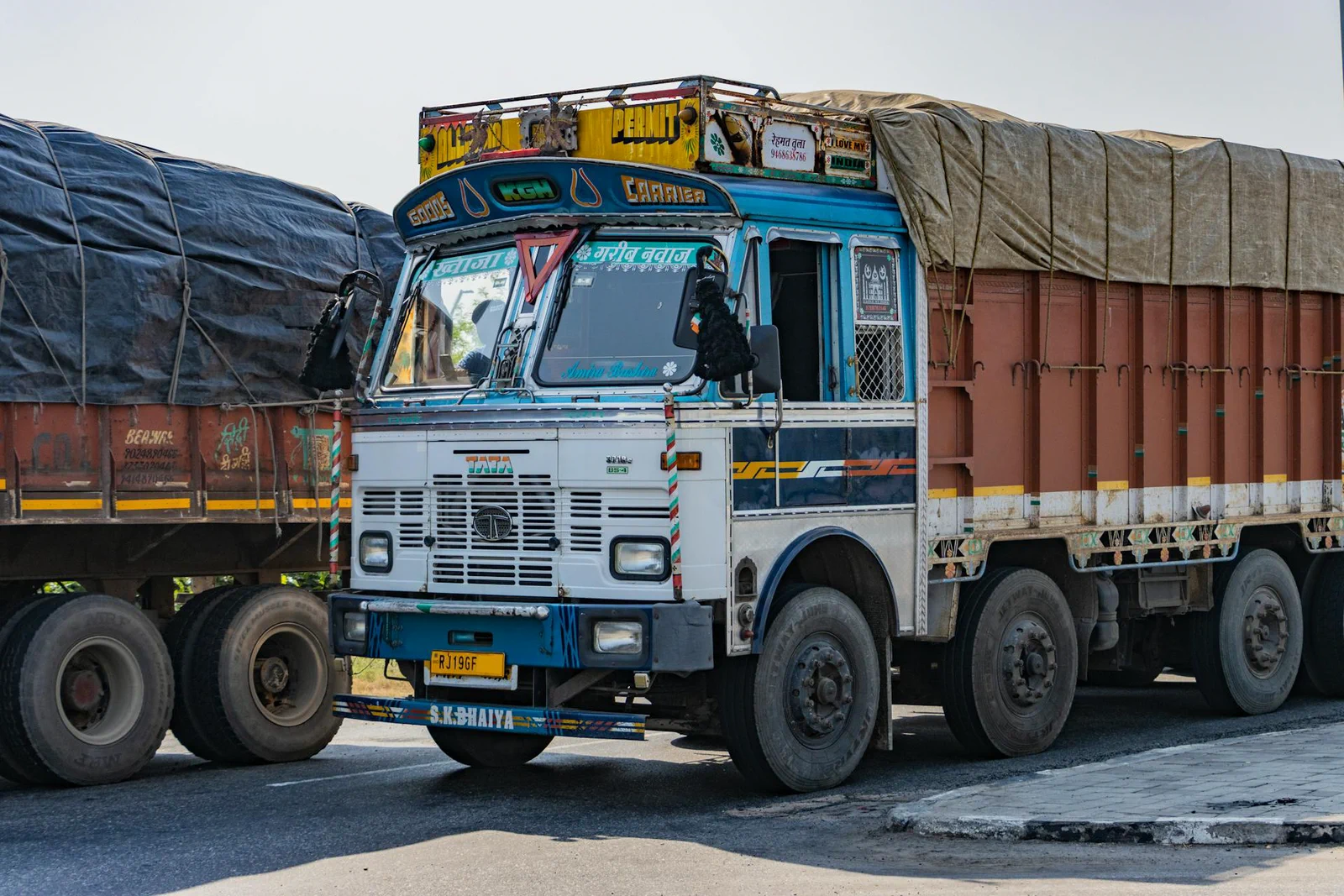
The Comprehensive Guide to Heavy Duty Trucks in India
India’s heavy duty truck industry plays a crucial role in the nation’s economic infrastructure, supporting commerce, construction, and logistics across diverse geographical and operational challenges. This comprehensive guide examines the market landscape, leading manufacturers, and emerging trends shaping India’s commercial vehicle sector.
Understanding India’s Heavy Duty Truck Market
Heavy duty trucks in India are classified as vehicles exceeding 16 tons gross vehicle weight, serving critical roles in freight transportation, construction, mining, and industrial applications across the subcontinent.
Market Significance
India’s heavy duty truck market represents one of the world’s largest commercial vehicle segments, driven by economic growth, infrastructure development, and increasing industrial activity.
Regional Considerations
Diverse operating conditions from Himalayan terrain to coastal humidity require specialized vehicle configurations and robust engineering solutions.
Leading Heavy Duty Truck Manufacturers
Tata Motors
India’s largest commercial vehicle manufacturer offers comprehensive heavy duty truck ranges including the SIGNA series, Prima range, and specialized applications for various industries.
Key Models:
- Tata Signa 4825.TK
- Tata Prima 4928.S
- Tata 3518.C Tipper
- Tata LPK 2518 Truck
Ashok Leyland
A major commercial vehicle manufacturer providing reliable heavy duty solutions through the AVTR and Boss series, focusing on fuel efficiency and productivity.
Popular Models:
- Ashok Leyland 3718 IL
- Ashok Leyland AVTR 2820
- Ashok Leyland Boss 1212 LE
- Ashok Leyland U-Truck 2820
Mahindra Trucks and Buses
Offers competitive heavy duty truck solutions with emphasis on total cost of ownership and operational efficiency.
BharatBenz
Mercedes-Benz’s India-focused brand provides European technology adapted for Indian conditions through various heavy duty truck configurations.
Applications and Industry Segments
Long-Haul Transportation
Interstate freight movement requires reliable, fuel-efficient vehicles capable of handling extended distances and varied road conditions.
Construction and Infrastructure
Heavy duty trucks serve construction projects through concrete mixers, dump trucks, and material handling vehicles designed for harsh operational environments.
Mining Operations
Specialized heavy duty vehicles handle ore transportation, equipment movement, and mining support operations in challenging terrain conditions.
Container Transportation
Port-to-destination container movement requires powerful tractors capable of handling standardized shipping containers efficiently.
Technology and Innovation Trends
Fuel Efficiency Improvements
Advanced engine technologies, aerodynamic designs, and lightweight materials improve fuel economy while maintaining performance standards.
BS-VI Emission Standards
Compliance with Bharat Stage VI emission norms drives adoption of cleaner engine technologies and exhaust after-treatment systems.
Telematics and Fleet Management
GPS tracking, vehicle diagnostics, and fleet optimization systems improve operational efficiency and reduce maintenance costs.
Alternative Fuel Options
Electric, CNG, and LNG heavy duty trucks address environmental concerns and fuel cost considerations in specific applications.
Selection Criteria for Heavy Duty Trucks
Payload Requirements
Vehicle selection depends on typical load weights, cargo types, and operational duty cycles specific to business applications.
Operating Environment
Route conditions, climate factors, and infrastructure quality influence vehicle specification and configuration choices.
Total Cost of Ownership
Purchase price, fuel efficiency, maintenance costs, and resale value combine to determine long-term operational economics.
Service and Support
Dealer network quality, parts availability, and service response times impact operational reliability and downtime minimization.
Financing and Ownership Models
Traditional Purchase
Direct ownership provides maximum control but requires significant capital investment and ongoing maintenance responsibility.
Leasing Options
Operating leases reduce capital requirements while providing access to newer technology and comprehensive service support.
Fleet Financing
Specialized commercial vehicle financing options support business expansion and fleet modernization initiatives.
Maintenance and Operations
Preventive Maintenance
Regular service schedules, genuine parts usage, and trained technicians ensure reliable operation and maximize vehicle lifespan.
Driver Training
Professional driver training programs improve safety, fuel efficiency, and equipment longevity through proper operating techniques.
Fleet Optimization
Route planning, load optimization, and vehicle utilization analysis improve overall fleet productivity and cost-effectiveness.
Market Challenges and Opportunities
Infrastructure Development
Ongoing highway expansion and infrastructure improvement create new opportunities for heavy duty truck applications.
Environmental Regulations
Stricter emission standards and environmental policies drive innovation while creating compliance challenges for operators.
Skilled Labor Shortage
Driver shortages and technical skill gaps impact industry growth and operational efficiency.
Future Outlook
Electric Heavy Duty Trucks
Growing interest in electric commercial vehicles for urban applications and short-haul operations.
Autonomous Technology
Development of autonomous driving features for highway applications and controlled environments.
Connected Vehicle Systems
Integration of IoT, AI, and data analytics for improved fleet management and predictive maintenance.
Conclusion
India’s heavy duty truck industry continues evolving to meet growing transportation demands while addressing environmental and efficiency challenges. Success requires understanding diverse applications, manufacturer capabilities, and emerging technology trends.
The industry’s future depends on balancing performance, efficiency, and environmental responsibility while maintaining the reliability and durability essential for India’s commercial transportation needs. Operators who stay informed about technological developments and market trends will be best positioned for success in this dynamic industry.